Umbrella Operations LLC
The 7 Issues That Cause Most ADUs to Fail Inspection

Our pre-inspection service helps identify these issues early
1. Ceiling Height Too Low
2. Bedroom Egress (Emergency Escape)
2. Bedroom Egress (Emergency Escape)

Why it matters:
Minimum ceiling height is required for a space to be considered habitable.
Typical standard:
• Minimum 7 feet ceiling height (IRC R305)
Common problems:
• Garage conversions with low ceilings
• Raised flooring for plumbing reducing height
• Dropped ceilings for ductwork
What happens if it fails:
The space may not be considered legal living area, requiring costly structural changes.
2. Bedroom Egress (Emergency Escape)
2. Bedroom Egress (Emergency Escape)
2. Bedroom Egress (Emergency Escape)
Why it matters:
Every sleeping area must provide a safe way to exit in case of emergency.
Typical standard:
• Minimum 5.7 sq ft opening (IRC R310)
• Minimum 24” height / 20” width
Common problems:
• Windows too small
• Windows installed too high from the floor
• Non-operable or blocked windows
What happens if it fails:
The room cannot legally be classified as a bedroom.
3. Electrical Safety Issues
2. Bedroom Egress (Emergency Escape)
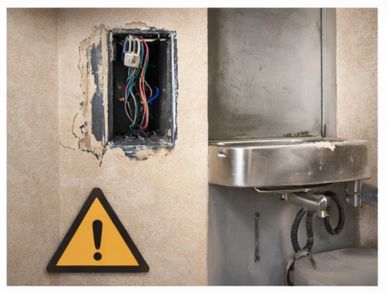
Why it matters:
Electrical systems must meet safety standards to prevent fire and shock hazards.
Typical requirements:
• GFCI protection in kitchens and bathrooms (NEC 210.8)
• Proper grounding and bonding
• Correct circuit capacity
Common problems:
• Missing GFCI outlets
• Improper wiring or extensions
• Overloaded circuits
What happens if it fails:
The unit may be flagged as unsafe and require electrical upgrades.
4. Bathroom Ventilation

Why it matters:
Moisture buildup can lead to mold, damage, and unhealthy living conditions.
Typical standard:
• Mechanical ventilation required if no window (IRC R303.3)
Common problems:
• No exhaust fan
• Fan not vented to exterior
• Undersized ventilation systems
What happens if it fails:
The bathroom may not meet minimum habitability standards.
5. Kitchen Compliance Issues
Why it matters:
Kitchens must meet electrical, ventilation, and safety requirements.
Typical requirements:
• GFCI outlets near sink (NEC 210.8)
• Proper ventilation for cooking
• Adequate spacing and clearances
Common problems:
• Missing GFCI protection
• No range hood or ventilation
• Improper outlet placement
What happens if it fails:
The kitchen may not be approved as a legal cooking space.
6. Fire Separation Requirements

Why it matters:
Fire-rated construction helps prevent fire from spreading between units.
Typical requirements:
• Fire-rated walls or ceilings between units (IRC R302)
• Fire-rated doors in some configurations
Common problems:
• Garage conversions without proper drywall
• Shared walls without fire protection
• Missing fire-rated assemblies
What happens if it fails:
The ADU may not be approved due to safety concerns.
7. Unpermitted Plumbing or Electrical Work
7. Unpermitted Plumbing or Electrical Work
7. Unpermitted Plumbing or Electrical Work
Why it matters:
Work must meet code and be properly installed for safety and function.
Typical concerns:
• Improper sewer connections
• Incorrect pipe sizing or slope
• Non-compliant electrical installations
Common problems:
• DIY or contractor work done without permits
• Hidden issues behind walls
• Improper connections to main systems
What happens if it fails:
You may be required to open walls or redo major systems.